
⚡ Executive Summary: 2027 Tax Refund Timelines
- The baseline IRS refund schedule 2027 remains 21 days for taxpayers who e-file their returns and select direct deposit.
- Taxpayers claiming the Earned Income Tax Credit (EITC) or Additional Child Tax Credit (ACTC) face mandatory PATH Act holds until mid-February.
- Paper returns take significantly longer to process, often requiring 6 to 8 weeks before a physical check is mailed.
- You can bypass the standard tracker by checking your IRS account transcripts for Code 846, which indicates your refund has been officially authorized.
Table of Contents
- Understanding the IRS Refund Schedule 2027
- Estimated Tax Refund Calendar 2027
- The PATH Act: Why Early Filers Wait Until Late February
- Paper Returns vs. E-File: The Speed Difference
- Decoding IRS Transcript Codes (846, 570, 971)
- How to Use the Wheres My Refund 2027 Tool
- Real-World Scenarios: When Will I Get My 2026 Refund?
- Step-by-Step Guide: What to Do If Your Refund Is Delayed
- Frequently Asked Questions About the IRS Refund Schedule 2027
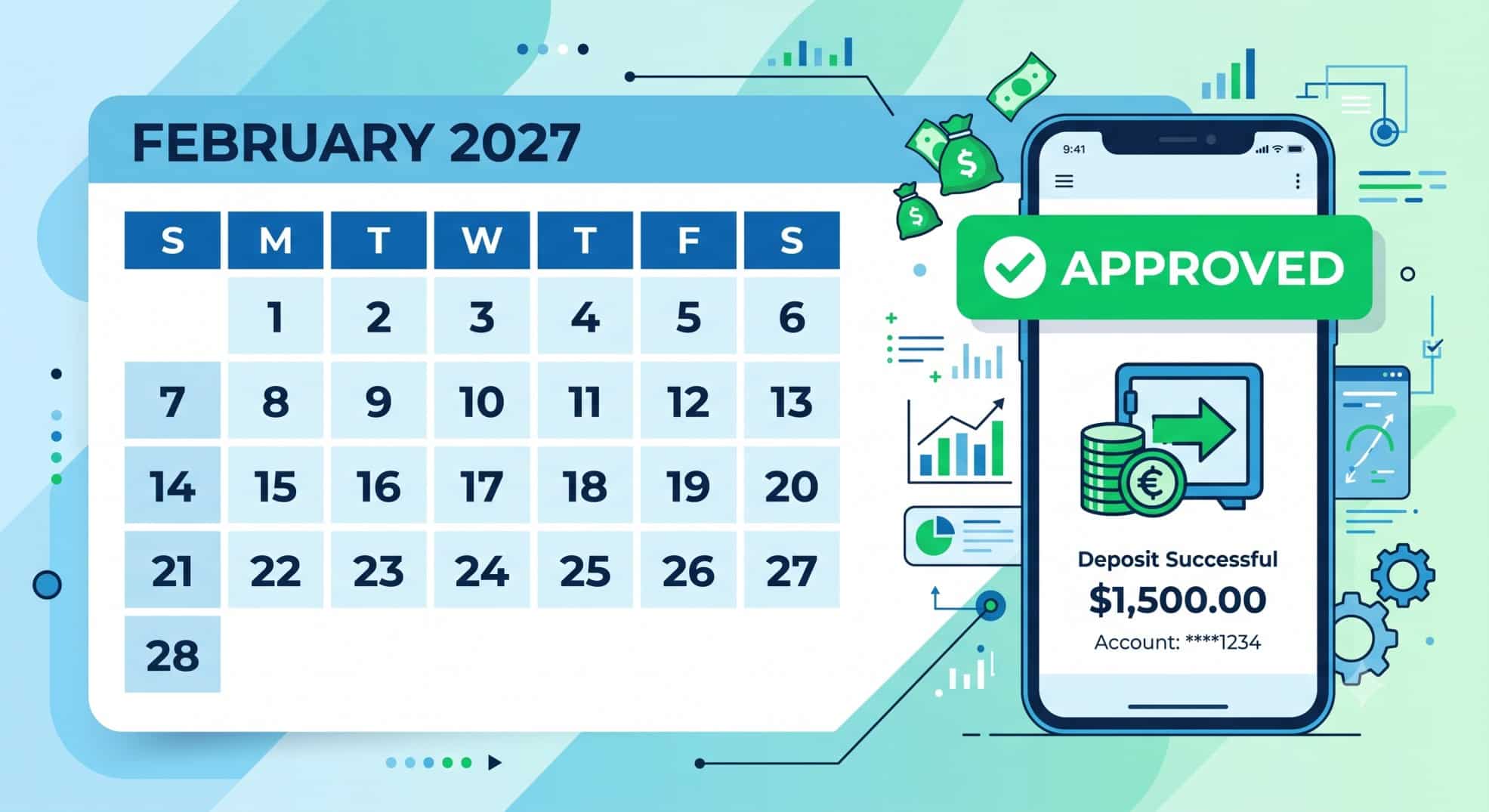
Understanding the IRS Refund Schedule 2027
Waiting for a tax refund requires patience, but understanding how the IRS processes returns can eliminate the guesswork. The agency does not publish an exact, day-by-day payout calendar. Instead, they operate on a standard processing window. The baseline IRS refund schedule 2027 dictates that 90% of error-free, electronically filed returns with direct deposit will be funded within 21 days of acceptance.
Acceptance is the keyword here. When you hit submit on your tax software, your return goes into a pending status. The 21-day clock does not start the moment you file. It starts the moment the IRS officially accepts your return into their system. You will usually receive an email or text alert from your software provider confirming this acceptance within 24 to 48 hours of filing.
Once accepted, your return moves through a three-step automated process. First, it is received. Second, it is processed and approved. Third, the payment is sent to your bank. If the automated system flags a math error, a mismatched Social Security number, or suspected identity theft, your return gets kicked out of the automated queue and assigned to a human examiner. When that happens, the standard IRS refund schedule 2027 goes out the window, and your wait time can extend for months.
Estimated Tax Refund Calendar 2027
While the government avoids hard dates, tax professionals use the 21-day rule to build reliable projections. If you are wondering exactly when the money will hit your account, you can use this estimated tax refund calendar 2027 to map out your timeline.
This table assumes you e-filed, requested direct deposit, have no errors on your return, and are not claiming credits subject to the PATH Act. Direct deposits typically post to bank accounts on Wednesdays and Fridays.
| IRS Acceptance Date (Week Of) | Estimated Direct Deposit Date | Estimated Paper Check Mailed |
|---|---|---|
| January 25, 2027 | February 12, 2027 | February 26, 2027 |
| February 1, 2027 | February 19, 2027 | March 5, 2027 |
| February 8, 2027 | February 26, 2027 | March 12, 2027 |
| February 15, 2027 | March 5, 2027 | March 19, 2027 |
| February 22, 2027 | March 12, 2027 | March 26, 2027 |
| March 1, 2027 | March 19, 2027 | April 2, 2027 |
| March 8, 2027 | March 26, 2027 | April 9, 2027 |
| April 15, 2027 (Deadline Week) | May 7, 2027 | May 21, 2027 |
Keep in mind that your specific bank’s processing rules also affect this tax refund calendar 2027. Some fintech apps and online banks release funds up to two days early, while traditional brick-and-mortar banks may hold the deposit for 24 hours to verify the routing information.
The PATH Act: Why Early Filers Wait Until Late February
If you claim the Earned Income Tax Credit (EITC) or the Additional Child Tax Credit (ACTC), the standard 21-day rule does not apply to you in January. Federal law forces a delay.
The Protecting Americans from Tax Hikes (PATH) Act requires the IRS to hold your entire refund—not just the portion associated with the credits—until mid-February. This law gives the government time to match the income reported on your tax return against the W-2s submitted by your employer, drastically reducing fraudulent payouts.
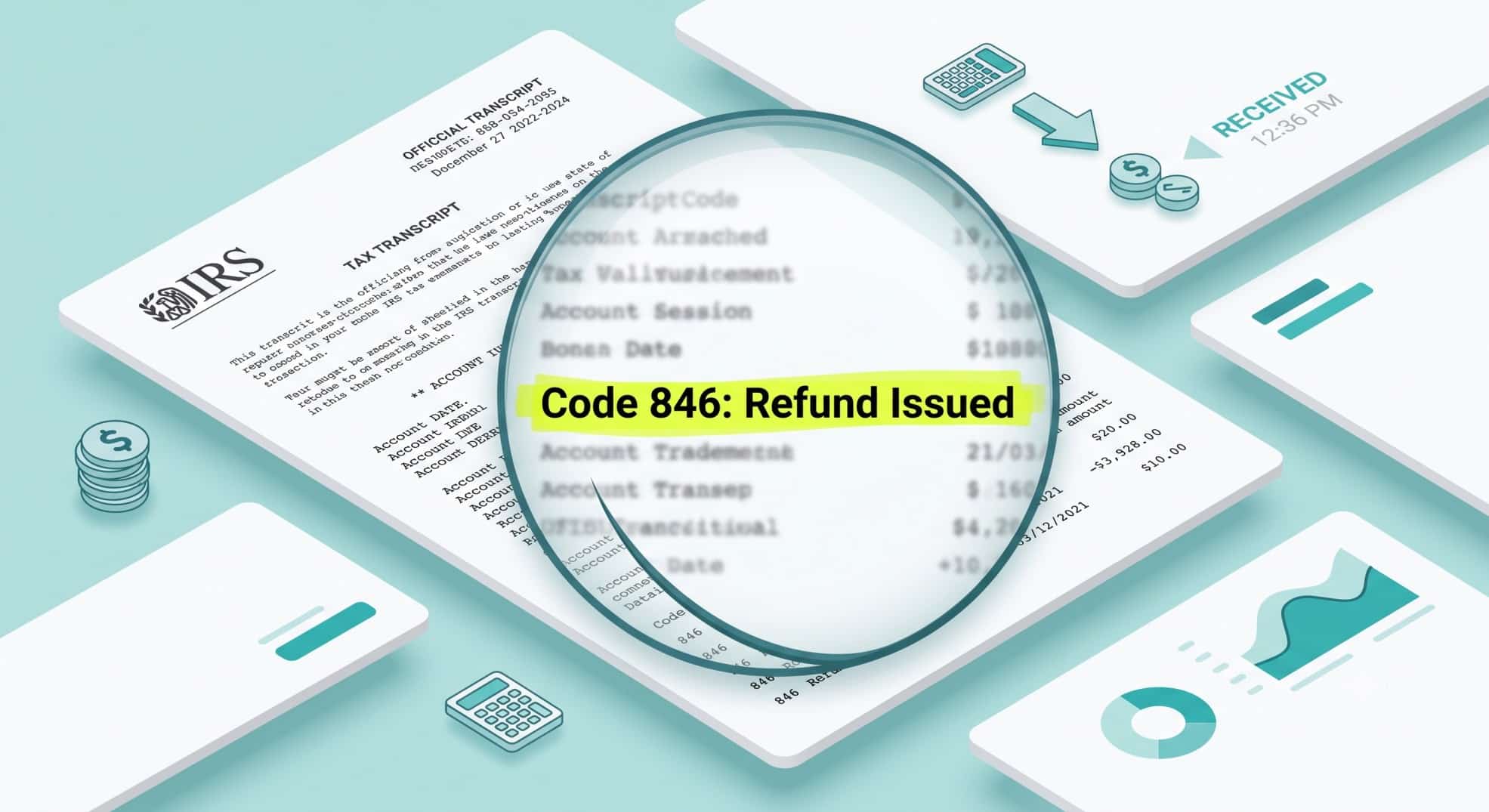
If you file on opening day in late January and claim the EITC, your return will be processed, but the funds will be frozen. The IRS typically lifts the PATH Act freeze around February 15th. After the freeze lifts, it takes a few days for the banking system to process the massive batch of payments. For PATH Act filers, the earliest you will see your money on the IRS refund schedule 2027 is usually the last week of February or the first week of March.
Paper Returns vs. E-File: The Speed Difference
The method you use to file dictates your place in line. The IRS processes electronic returns automatically. Paper returns require manual data entry by an IRS clerk, which creates a massive bottleneck.
If you mail a paper Form 1040, you completely opt out of the fast-track IRS refund schedule 2027. The standard processing time for a paper return is 6 to 8 weeks, but during peak season, it can easily stretch to 12 weeks or more. If you request a physical check instead of direct deposit, add another two weeks for postal delivery.
There are very few reasons to file a paper return today. Unless you are filing an obscure tax form that your software does not support, or you are a victim of identity theft who cannot e-file, you should always transmit your return electronically. Read our guide on the fastest ways to e-file your taxes for free.
Decoding IRS Transcript Codes (846, 570, 971)
Savvy taxpayers do not rely solely on the public tracking tools. They log into their online IRS accounts and pull their Account Transcripts. These transcripts update faster than the consumer-facing apps and provide exact internal codes showing exactly what the IRS is doing with your money.
When you look at your 2026 Account Transcript, you will see a list of transactions. Here are the most important codes that dictate your personal IRS refund schedule 2027:
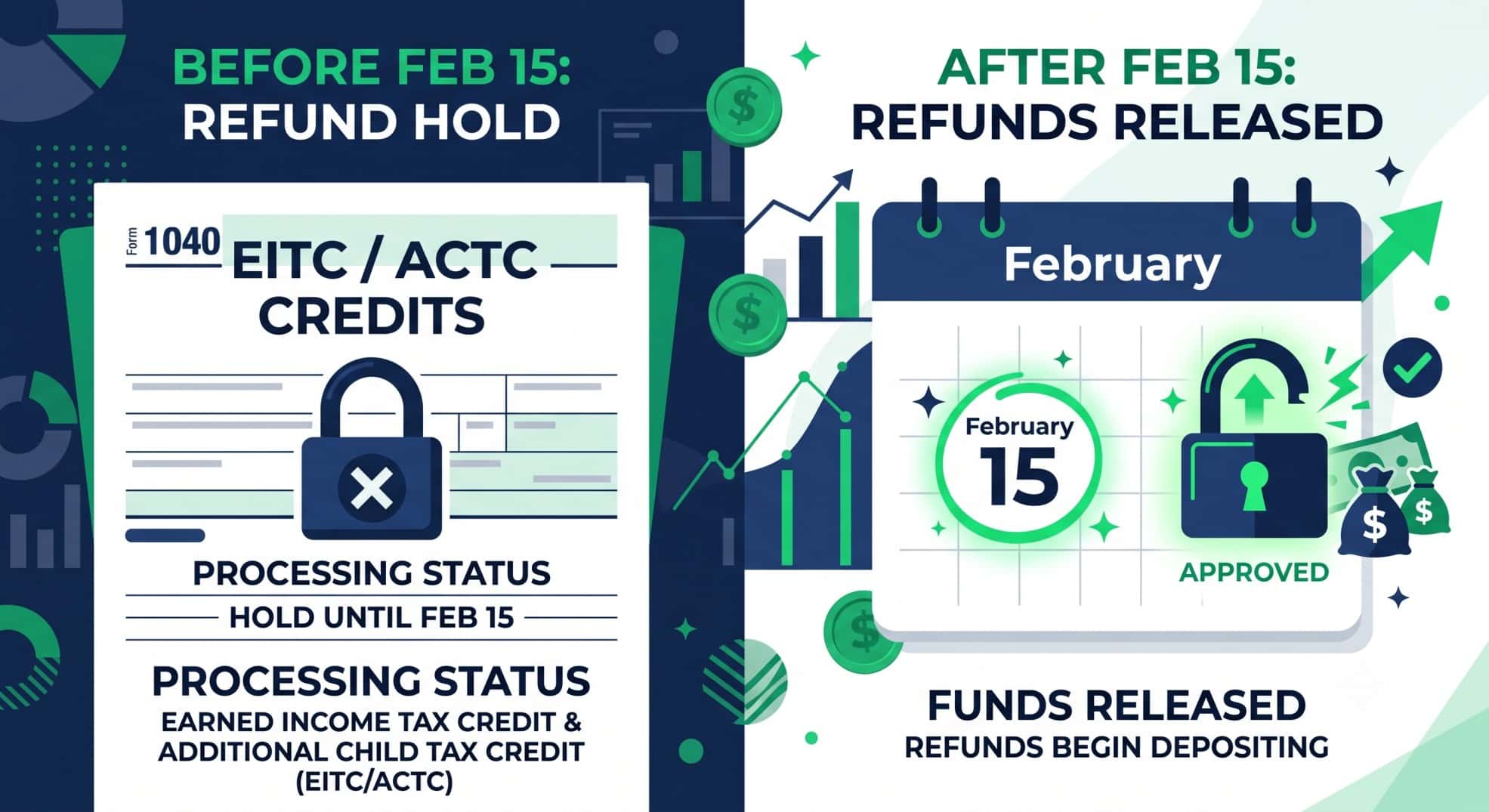
- Code 150 (Tax Return Filed): This means the IRS has officially entered your return into their master file. It is the first step in processing.
- Code 846 (Refund Issued): This is the golden ticket. If you see Code 846, the IRS has authorized your payment. The date listed next to this code is your exact scheduled direct deposit date.
- Code 570 (Additional Liability Pending/Hold): This code means your return has been frozen. The IRS has found a discrepancy, such as a missing W-2 or a math error, and a human must review it. Your refund will not be issued until this hold is resolved.
- Code 971 (Notice Issued): This usually follows a 570 code. It means the IRS has mailed you a physical letter explaining why your refund is delayed and what information they need from you to fix it.
If you see Code 846, you can stop worrying. Your money is on the way. If you see Code 570, you need to watch your mailbox for instructions.
How to Use the Wheres My Refund 2027 Tool
The official IRS tracking portal is the most accessible way to check your status. The wheres my refund 2027 tool is available on IRS.gov and through the IRS2Go mobile app. It updates exactly once a day, usually overnight, so checking it multiple times a day will not yield new information.
To use the tool, you need three pieces of information exactly as they appear on your tax return: your Social Security Number (or ITIN), your filing status (e.g., Single, Married Filing Jointly), and your exact refund amount in whole dollars.
The wheres my refund 2027 tracker displays three distinct stages:
- Return Received: The IRS has your tax return and is running it through their initial fraud and math filters.
- Refund Approved: The IRS has finished processing your return and has authorized the Treasury Department to issue your payment. At this stage, the tool will provide a personalized direct deposit date.
- Refund Sent: The Treasury has transmitted the funds to your bank. If you see this status but do not have the money, the delay is on your bank’s end, not the IRS’s.
Real-World Scenarios: When Will I Get My 2026 Refund?
Tax rules make more sense when applied to real life. Let’s look at four distinct taxpayer situations to answer the common question: when will I get my 2026 refund?
Scenario 1: The Standard E-Filer
David is single, has one W-2, and claims the standard deduction. He e-files his return on February 3, 2027, and requests direct deposit. His return is accepted the same day. Because he has a simple return with no PATH Act credits, he falls perfectly into the standard IRS refund schedule 2027. He can expect his direct deposit to hit his bank account by February 24, 2027.
Scenario 2: The PATH Act Family
Maria and John are married with two children. They claim the Earned Income Tax Credit. They file early on January 28, 2027. Even though they e-filed and chose direct deposit, the PATH Act freezes their refund. They check the wheres my refund 2027 tool in early February and see a generic PATH Act message. The freeze lifts on February 15, and their deposit arrives on February 26, 2027.
Scenario 3: The Paper Filer
Sarah decides to print her tax return and mail it to the IRS on March 1, 2027. She also requests a paper check instead of direct deposit. Her return sits in a mailroom for two weeks before a clerk enters it into the system. She asks her accountant, “when will I get my 2026 refund?” Her accountant advises her that based on the paper processing tax refund calendar 2027, she likely will not receive her check in the mail until late April or early May.
Scenario 4: The Code 570 Hold
Marcus e-files on February 10, 2027. After three weeks, he still has no money. He logs into his IRS account and pulls his transcript. He sees Code 570 followed by Code 971. This means his return is on hold and a letter is coming. A week later, he receives an IRS notice stating he forgot to report a $5,000 1099-NEC from a freelance gig. He must amend his return, pushing his payout date back by several months.
Step-by-Step Guide: What to Do If Your Refund Is Delayed
If 21 days have passed since your e-file acceptance and you still do not have your money, you need to take action. Follow this workflow to locate your funds.
Step 1: Check the Tracker
Input your data into the wheres my refund 2027 tool. Look for specific error messages. If the tool says “Action Required,” it means the IRS needs more information from you to proceed.
Step 2: Pull Your Transcripts
Log into your IRS.gov account and download your 2026 Account Transcript. Look for Code 846 (Refund Issued). If you see Code 570, your return is frozen. Read our full guide on how to read IRS transcripts here.
Step 3: Check Your Mailbox
The IRS will not call you or email you if there is a problem with your return. They will send a physical letter (a CP notice) via USPS. If your refund is delayed past 21 days, monitor your physical mail closely for instructions.
Step 4: Verify Your Bank Routing Info
Pull up the copy of the Form 1040 you submitted. Look at lines 35b and 35d. Verify that the routing and account numbers are exactly correct. If you transposed a number, the bank will reject the deposit, send it back to the IRS, and the IRS will eventually mail you a paper check, adding weeks to your wait time.
Step 5: Call the IRS (As a Last Resort)
The IRS explicitly states you should not call them unless it has been 21 days since you e-filed, or the tracking tool specifically tells you to call. If you meet those criteria, you can call the IRS at 1-800-829-1040. Be prepared for long hold times.
Frequently Asked Questions About the IRS Refund Schedule 2027
How accurate is the IRS refund schedule 2027?
The 21-day e-file timeline is highly accurate for about 90% of taxpayers. However, it is an estimate, not a guarantee. Errors, identity theft flags, or claiming PATH Act credits will alter your specific timeline.
When will I get my 2026 refund if I claim the Child Tax Credit?
If you claim the non-refundable Child Tax Credit, the standard 21-day rule applies. If you claim the Additional Child Tax Credit (the refundable portion), you are subject to the PATH Act hold, and your refund will not be issued until late February.
How often does the wheres my refund 2027 tool update?
The tool updates only once per day, typically between midnight and 6:00 AM Eastern Time. Checking it multiple times throughout the afternoon will not provide any new information.
What does Transcript Code 846 mean?
Code 846 is the best code you can see. It means “Refund Issued.” The date listed directly next to Code 846 on your transcript is the exact date the IRS will send your direct deposit or mail your paper check.
Why is my refund taking longer than 21 days?
Delays happen for several reasons: you filed a paper return, your return contained a math error, your W-2 income does not match what your employer reported, or your return was flagged for identity verification.
Can I speed up my tax refund calendar 2027?
The only way to ensure the fastest possible refund is to e-file your return, choose direct deposit, double-check your routing numbers, and ensure all your income documents are accurately reported. You cannot pay a fee to expedite IRS processing.
What happens if I put the wrong bank account number on my tax return?
If the account number is invalid, your bank will reject the direct deposit and return the funds to the Treasury. The IRS will then automatically convert your refund to a paper check and mail it to the address on your tax return. This usually delays your money by three to four weeks.
When will I get my 2026 refund if I have to amend my return?
Amended returns (Form 1040-X) do not follow the standard IRS refund schedule 2027. They take significantly longer to process, often requiring 16 to 20 weeks before a secondary refund is issued.
Does owing back taxes affect my refund schedule?
Yes. If you owe back taxes, unpaid child support, or federal student loans, the Treasury Offset Program (TOP) will intercept your refund. Your processing time may be slightly delayed, and you will receive a letter explaining why your payout was reduced or eliminated.
Is there a different wheres my refund 2027 tool for state taxes?
Yes. The federal IRS tool only tracks your federal income tax refund. Every state has its own department of revenue and its own separate tracking portal for state tax refunds. Check our directory of state refund tracking links here.
Disclaimer: This content provides general information for educational purposes only. Tax laws are complex and change often. It is not professional tax, legal, or financial advice. Always consult a qualified tax professional for personalized guidance regarding your specific situation. Ourtaxpartner.com is not responsible for any actions taken based on the information provided herein.
